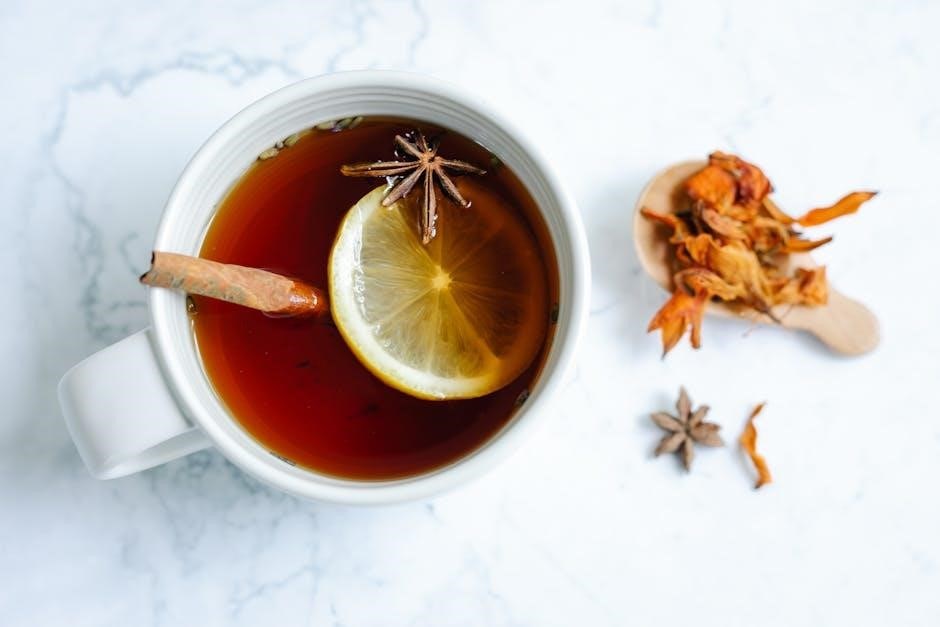
Tea Brewing Guide: A Comprehensive Overview
Embark on a flavorful journey with our detailed tea brewing guide! Discover the art of crafting the perfect cup, from selecting quality leaves to mastering temperature and timing․
This comprehensive resource will unlock the secrets to brewing diverse tea types – black, green, white, oolong, and herbal – ensuring a delightful experience every time․
Learn how water temperature significantly impacts flavor extraction, and explore various brewing methods to elevate your tea ritual to new heights of enjoyment․
Tea brewing is an ancient art, a delicate balance of science and sensory experience․ It’s far more than simply adding hot water to leaves; it’s about unlocking the full potential of each tea variety, revealing nuanced flavors and aromas․ For centuries, cultures around the globe have refined their tea-making techniques, recognizing that proper brewing dramatically impacts the final cup․
This guide aims to demystify the process, providing a foundation for both novice and experienced tea drinkers․ We’ll explore the key elements – water temperature, steeping time, and water quality – and how they interact to create the perfect brew․ Understanding these factors allows you to tailor the process to your preferences and the specific characteristics of the tea you’re enjoying․
Whether you prefer the robust boldness of black tea, the delicate freshness of green tea, or the floral notes of white tea, mastering the fundamentals of tea brewing will elevate your enjoyment and appreciation for this beloved beverage․ Prepare to embark on a journey of flavor discovery!
Understanding Water Temperature
Water temperature is arguably the most crucial element in tea brewing․ It directly influences the extraction of flavors, tannins, and aromas from the tea leaves․ Too hot, and you risk scorching delicate leaves, resulting in a bitter, astringent brew․ Too cool, and you won’t fully extract the tea’s complex flavors, leaving it weak and underwhelming․
The ideal temperature varies significantly depending on the tea type․ Generally, more delicate teas like white and green teas require lower temperatures – typically between 160°F and 185°F (71°C ⎻ 85°C)․ Black and herbal teas, being more robust, can withstand higher temperatures, often around 190°F to 212°F (88°C ⎻ 100°C)․
Precise temperature control is key․ Using a variable temperature kettle is highly recommended․ If you don’t have one, allowing boiling water to cool for a few minutes before pouring can help achieve the desired temperature․ Remember, a little attention to temperature yields a dramatically improved cup of tea!
Ideal Temperatures for Different Tea Types
Pinpointing the perfect temperature unlocks each tea’s unique potential․ White tea thrives at 175°F (80°C), preserving its delicate floral notes․ Green tea benefits from temperatures between 165°F ౼ 175°F (74°C ⎻ 79°C), preventing bitterness and highlighting its vegetal freshness․
Oolong teas are more versatile, ranging from 175°F to 185°F (79°C ౼ 85°C), with darker, roasted oolongs favoring the higher end of the spectrum․ Black tea demands hotter water, ideally 190°F to 210°F (88°C ⎻ 99°C), to fully extract its bold flavors․
Herbal teas, often consisting of roots, herbs, and flowers, generally require a full boil – 212°F (100°C) – to properly infuse their flavors․ Remember these are guidelines; experimentation is encouraged! Adjust slightly based on personal preference and tea quality․
Tea Types and Brewing Parameters
Exploring the diverse world of tea requires understanding how each type responds to brewing․ Black teas, robust and full-bodied, generally use 3g of leaves per 125ml of water, brewed with near-boiling water․ Flower bud teas, delicate and aromatic, benefit from 2-3g per 125ml at slightly cooler temperatures․
Green teas, known for their freshness, require approximately 3g per 125ml, brewed at lower temperatures to avoid bitterness․ Oolong teas, varying greatly in oxidation, typically use 3-5g per 125ml, with temperatures adjusted based on the oolong’s roast level․
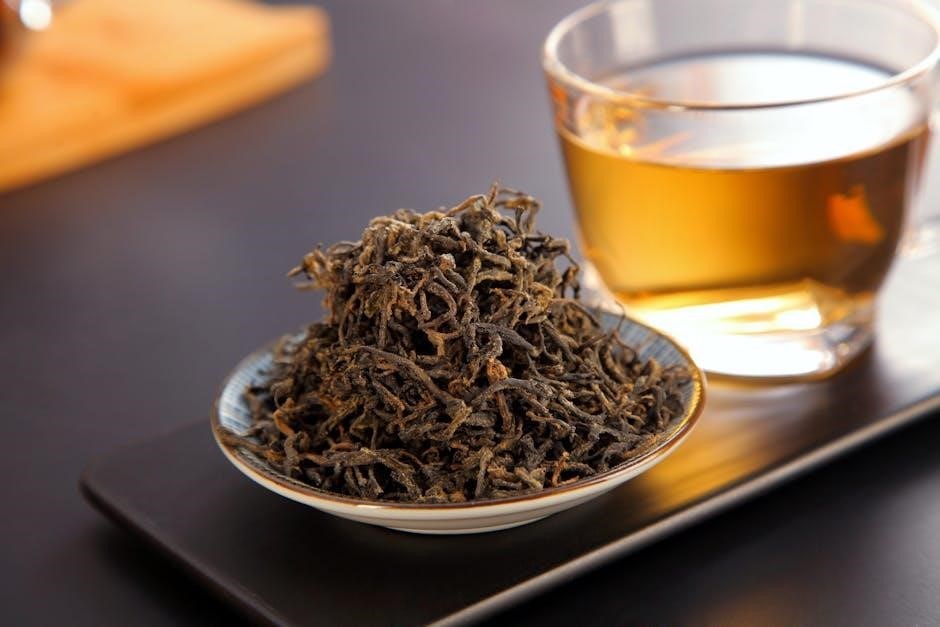
White teas, the least processed, are best brewed with 2-3g per 125ml of water, using gentle heat․ Herbal infusions, technically not “tea,” often require 1-2 teaspoons per cup, and can withstand boiling water for optimal flavor extraction․
Black Tea Brewing Guide
Black tea, celebrated for its bold flavor, thrives with a bit of heat․ Aim for water temperatures between 190°F and 210°F (95°C/203°F) – a rolling boil is often ideal․ Use approximately 3 grams of loose leaf tea per 125ml (4oz) of water․
Steeping time is crucial; generally, 3-5 minutes is recommended, but adjust to your preference․ Shorter steeps yield a brighter, more invigorating cup, while longer steeps create a stronger, more robust brew․ Be mindful not to oversteep, as this can result in bitterness․
Experimentation is key! Different black teas – Assam, Darjeeling, English Breakfast – will respond uniquely․ Consider the tea’s origin and processing when adjusting parameters․ A darker roast often benefits from slightly hotter water and a longer steep․
Enjoy your perfectly brewed cup!
Green Tea Brewing Guide
Green tea, known for its delicate and vegetal notes, requires a more gentle approach than black tea․ Water temperature is paramount – aim for 170°F to 180°F (75-80°C)․ Using boiling water will scorch the leaves, resulting in a bitter taste․
Steeping time should be relatively short, typically between 1-3 minutes․ Start with 1 minute and taste, increasing the time incrementally until you reach your desired strength․ Approximately 3 grams of loose leaf tea per 125ml (4oz) of water is a good starting point․
Quality matters! Higher-grade green teas often benefit from cooler water and shorter steeps․ Different varieties, like Sencha or Gyokuro, will have slightly different optimal brewing parameters․
Avoid oversteeping to preserve the tea’s fresh, vibrant flavor profile․ Enjoy!
White Tea Brewing Guide
White tea, the least processed tea type, demands a delicate touch to unlock its subtle sweetness․ Water temperature should fall between 175°F and 185°F (80-85°C)․ Avoid boiling water, as it can easily overwhelm the delicate flavors․
Steeping times generally range from 1 to 3 minutes, but experimentation is key․ Begin with a shorter steep – around 1 minute – and taste, gradually increasing the time․ Use approximately 2-3 grams of loose leaf tea per 125ml (4oz) of water․
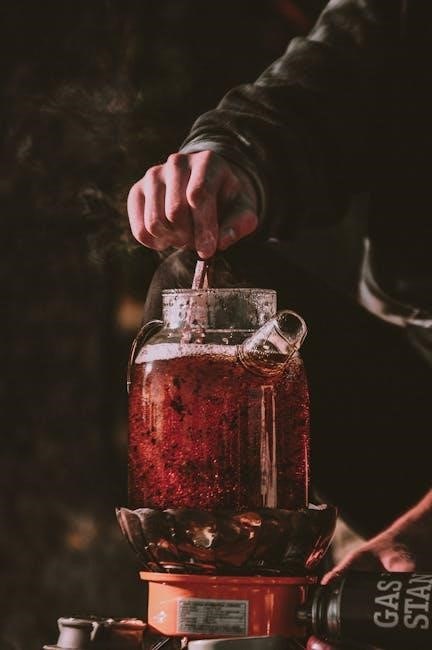
Gentle infusion is crucial․ White tea leaves are often bulky, so allow ample space for them to unfurl․ Multiple infusions are common with white tea, with each steep yielding slightly different nuances․
Enjoy the subtle, floral aroma and delicate flavor of this exquisite tea․ Patience and a gentle hand will reward you with a truly exceptional cup․
Oolong Tea Brewing Guide
Oolong tea, with its diverse range of oxidation levels, requires a flexible brewing approach․ Water temperature typically falls between 180°F and 212°F (82-100°C), depending on the oolong’s roast․ Lighter, greener oolongs benefit from lower temperatures, while darker, roasted oolongs can handle higher heat․
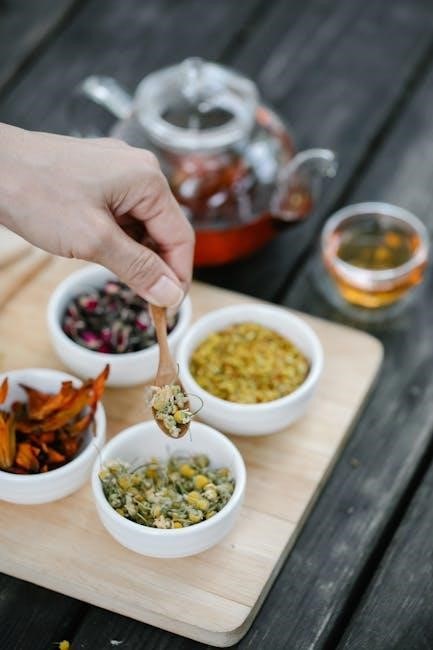
Steeping times vary significantly․ Start with a brief 15-second steep for the first infusion, increasing the time with subsequent brews․ Gongfu brewing, using a small teapot and multiple short infusions, is popular for oolongs․
Leaf quantity is around 3 grams per 125ml (4oz) of water․ A wider temperature range – 175-185°F – is often recommended for a 2․5-minute steep, adjusting for darker roasts․
Experimentation is encouraged to discover the optimal parameters for your specific oolong․ Enjoy the complex aromas and flavors this versatile tea offers!
Herbal Tea Brewing Guide
Herbal teas, technically tisanes, aren’t made from the Camellia sinensis plant, allowing for a full boiling water temperature – 212°F (100°C) – to effectively extract their flavors and beneficial compounds․ This high temperature is crucial for releasing the full potential of herbs, fruits, and spices․
Steeping times generally range from 5 to 10 minutes, though some blends may benefit from longer infusions․ Robust herbs like ginger or peppermint can withstand extended steeping without becoming bitter;
Leaf quantity varies depending on the ingredients; however, 1-2 teaspoons per 8oz (237ml) of water is a good starting point․ Some herbal teas, particularly those with delicate floral notes, may require slightly less․
Unlike true teas, herbal infusions don’t typically become bitter with over-steeping, making them forgiving for beginners․ Enjoy the naturally caffeine-free and diverse flavors!
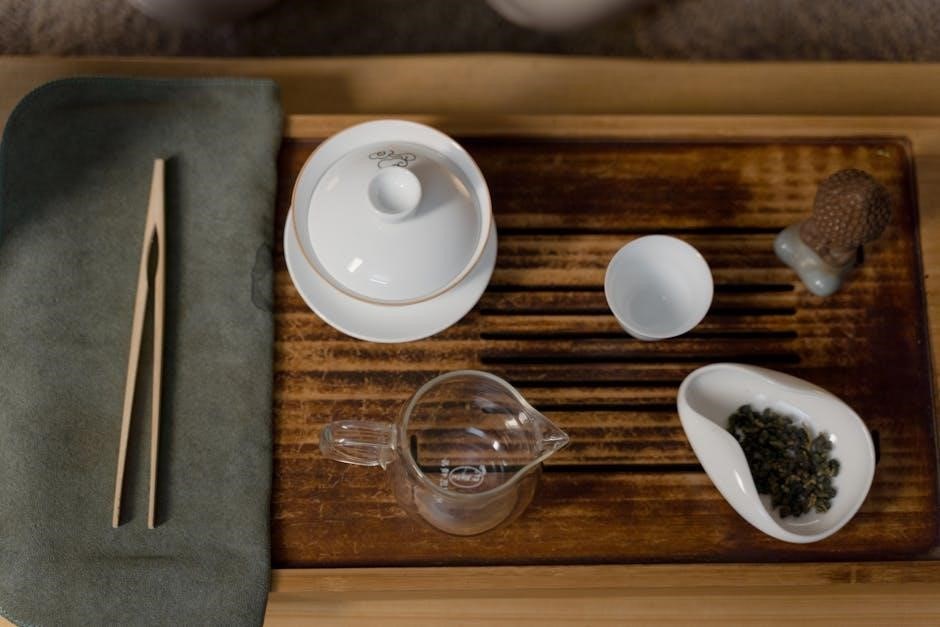
The Importance of Steeping Time
Steeping time is a critical factor in tea brewing, directly influencing flavor, aroma, and the release of beneficial compounds․ Under-steeping results in a weak, underdeveloped flavor, while over-steeping can lead to bitterness due to the release of tannins․
The ideal steeping duration varies significantly based on tea type․ Delicate teas like white and green require shorter times – typically 1-3 minutes – to prevent bitterness․ Black and herbal teas can withstand longer infusions, ranging from 3-5 minutes or even longer for robust blends․
Experimentation is key! Start with the recommended steeping time and adjust to your preference․ Taste the tea periodically during the process to find your sweet spot․ Remember that water temperature also impacts steeping time; hotter water extracts flavor faster․
Consistent steeping times ensure a repeatable and enjoyable tea experience, allowing you to fully appreciate the nuances of each brew․
Steeping Times for Black Teas
Black teas, known for their bold flavors, generally require a steeping time between 3 to 5 minutes․ However, this is a guideline, and optimal timing depends on the specific black tea variety and your personal taste preference․
For a classic cup, begin with 3 minutes and taste․ If the flavor is too weak, continue steeping in 30-second increments․ Most black teas benefit from around 3․5 minutes, yielding a balanced and robust brew․ Stronger, more oxidized black teas can handle the full 5 minutes․
Water temperature plays a role; using water at the higher end of the recommended range (203-208°F) may necessitate slightly shorter steeping times․ Avoid over-steeping, as it releases tannins, resulting in a bitter and astringent taste․
Experimentation is encouraged to discover the perfect steeping time for your favorite black tea, ensuring a consistently satisfying experience․
Steeping Times for Green Teas
Green teas are delicate and easily become bitter if over-steeped․ A general guideline is to steep for 1 to 3 minutes, but precise timing is crucial․ Higher quality, more delicate green teas, like Sencha, benefit from shorter steeps – around 1 minute․
For bolder green teas, such as Gunpowder, you can extend the steeping time to 2-3 minutes․ Always start with the shorter end of the range and taste frequently․ The goal is a bright, vegetal flavor without excessive astringency․
Water temperature is equally important; using water that’s too hot will scald the leaves and create bitterness․ Aim for 131-158°F․ Multiple infusions are common with green teas; subsequent steepings require slightly longer times․
Finding the sweet spot for your specific green tea requires experimentation, but prioritizing shorter steeping times is a good starting point․
Steeping Times for White and Yellow Teas
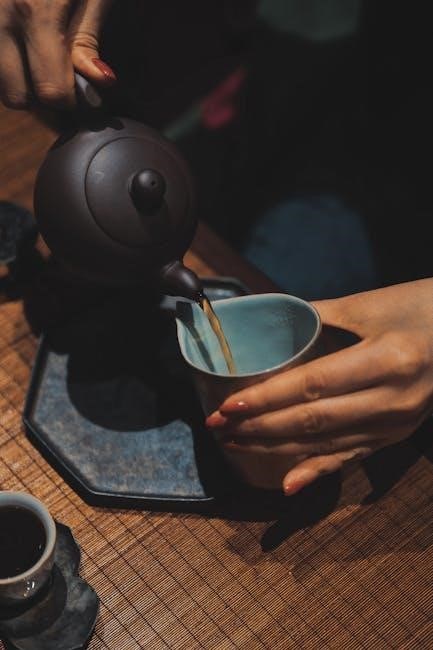
White and Yellow teas, known for their subtle flavors, require gentle handling during brewing․ Steeping times generally range from 1 to 3 minutes, but are highly dependent on the specific tea and personal preference․ Silver Needle, a premium white tea, benefits from a shorter steep – around 1-2 minutes – at 176-194°F․
Bai Mu Dan (White Peony) can handle slightly longer infusions, up to 3 minutes․ Yellow teas, being even rarer, also appreciate delicate brewing․ Experimentation is key to unlocking their nuanced profiles․
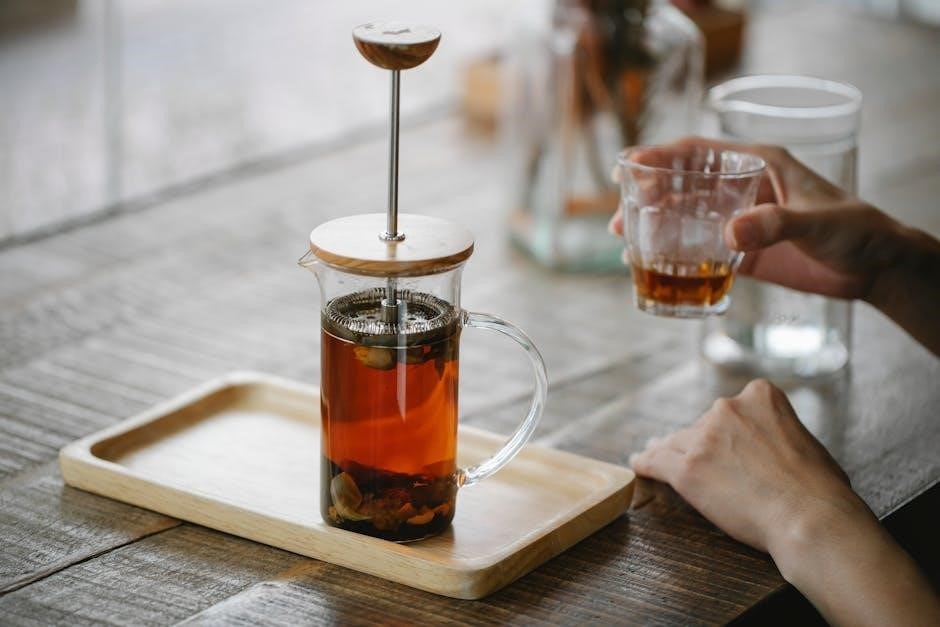
Avoid using boiling water, as it can easily overwhelm these delicate teas․ Lower temperatures, around 160-185°F, are ideal․ Multiple infusions are common, with each subsequent steep yielding different flavor notes․
Taste frequently to prevent bitterness and discover the optimal steeping time for your particular white or yellow tea․
Water Quality and its Impact
Water quality is paramount when brewing tea; it significantly influences the final flavor profile․ Avoid using heavily chlorinated or mineral-rich tap water, as these impurities can mask the tea’s delicate nuances․ Ideally, use filtered water – spring water is an excellent choice if available․
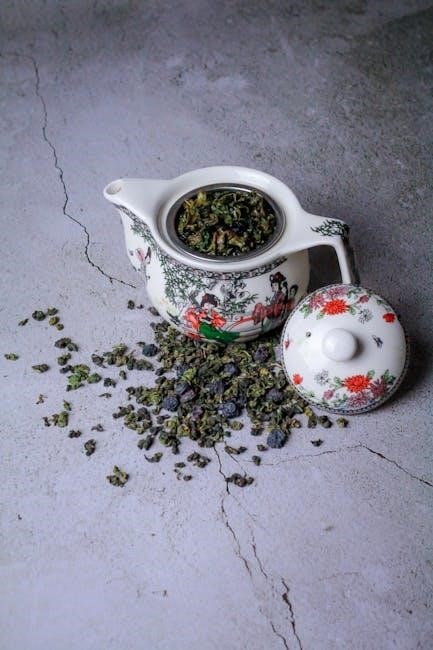
The mineral content of water affects tea extraction․ Soft water generally extracts flavors more readily, while hard water can inhibit it․ A balanced mineral content is preferred․ Distilled water, while pure, lacks minerals and can result in a flat-tasting brew․
Water temperature, as discussed, is crucial, but the water itself must be clean and fresh․ Stale or previously boiled water loses oxygen, impacting the tea’s aroma and taste․ Always use freshly drawn, cold water for each brew․
Investing in a good water filter is a simple step that dramatically improves the quality of your tea experience․
Brewing Methods: A Comparison
Choosing a brewing method impacts the tea’s flavor and overall experience․ Loose leaf tea generally offers superior quality and flavor complexity compared to tea bags․ Loose leaves have more room to unfurl and release their aromas during infusion․
Traditional methods include using a teapot with an infuser, a French press (for larger quantities), or a gaiwan (a traditional Chinese brewing vessel)․ Each method offers varying levels of control over steeping time and temperature․
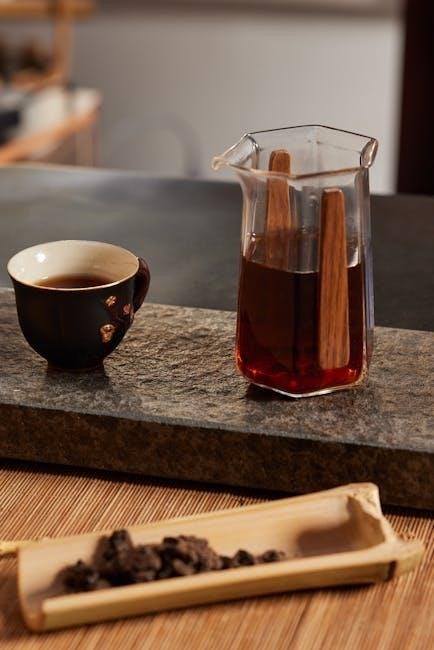
Tea bags, while convenient, often contain fannings or dust – smaller tea particles – which can result in a more bitter brew․ However, high-quality tea bags with whole leaves are available․
Ultimately, the best method depends on personal preference and the type of tea․ Experimenting with different techniques allows you to discover what best suits your palate and brewing style․
Loose Leaf vs․ Tea Bags
Loose leaf tea provides a significantly enhanced brewing experience compared to tea bags․ The larger, whole leaves in loose leaf tea unfurl completely during steeping, releasing a fuller spectrum of flavors and aromas․ This results in a more nuanced and complex cup․
Conversely, most tea bags contain broken tea leaves, often referred to as “fannings” or “dust․” These smaller particles steep quickly, potentially leading to a more bitter or astringent taste․ The restricted space within a tea bag also limits leaf expansion․
While convenient, tea bags often compromise on quality․ However, some brands now offer larger, pyramid-shaped tea bags containing whole leaf tea, bridging the gap between convenience and quality․
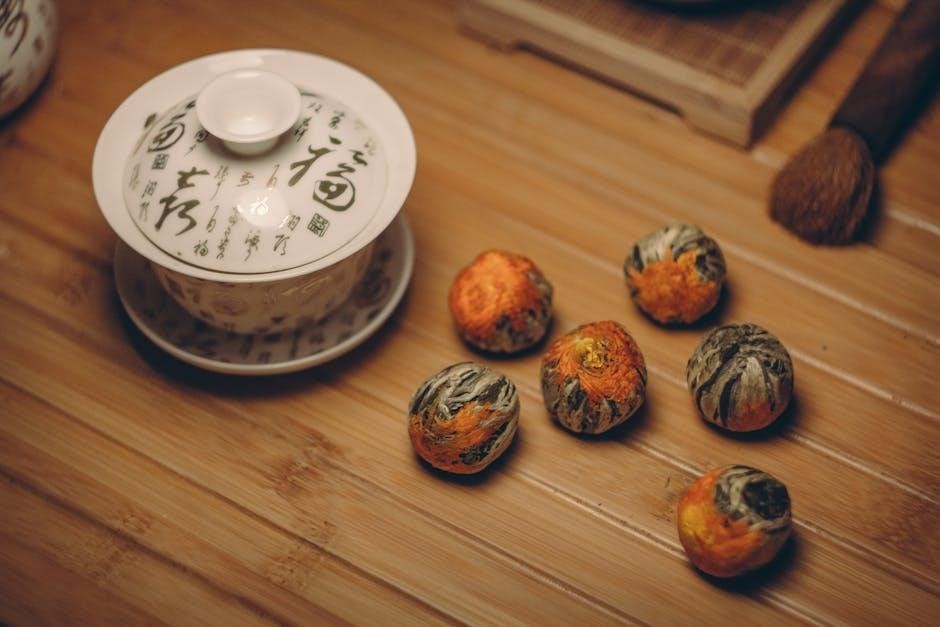
For optimal flavor and a more satisfying tea ritual, loose leaf tea is generally preferred․ Investing in a reusable infuser is a simple way to enjoy the benefits of loose leaf tea․
Iced Tea Brewing Techniques
Creating refreshing iced tea requires a slightly different approach than brewing hot tea․ A common method involves double-strength brewing: steep the tea leaves in half the usual amount of water, then pour over ice․ This prevents dilution and maintains a robust flavor․
Alternatively, you can brew tea at the standard strength and allow it to cool completely before pouring over ice․ However, this can result in a weaker, cloudier beverage․ Flash chilling – pouring hot tea directly over a pitcher full of ice – is another popular technique․
For clear iced tea, avoid over-steeping and use filtered water․ Adding a pinch of baking soda during brewing can also minimize cloudiness․ Experiment with different tea types; black and herbal teas are particularly well-suited for iced preparations․
Don’t forget to adjust steeping times accordingly, and consider adding fruit slices or sweeteners for a personalized touch․ Properly made iced tea is a deliciously refreshing drink!