Deutz-Fahr DX 370 Service Manual: An Overview
This detailed service manual, written for mechanics, guides users through disassembly, repair, and reassembly of the DX 370 tractor.
It covers operation, lubrication, maintenance, and safety, featuring illustrative diagrams for comprehensive understanding and effective troubleshooting.
Sangean-built radios within the DX 370 may require antenna connection cleaning and power supply verification for optimal reception.
The Deutz-Fahr DX 370, a robust and reliable tractor, gained prominence in agricultural operations, demanding a comprehensive service manual for effective maintenance and repair. This manual, often referencing Sangean-built radio components within the tractor’s system, serves as an essential resource for technicians and owners alike.
Originally appearing in 1988, the DX 370’s longevity necessitates detailed repair guidance, particularly concerning reception issues and power supply stability. This manual provides step-by-step instructions, ensuring proper functionality and minimizing downtime. It’s a practical guide, written in a mechanic’s language, facilitating efficient troubleshooting and component replacement.
Understanding the DX 370’s intricacies requires a dedicated resource, and this service manual fulfills that need, offering insights into its operation, lubrication, and safety protocols.
Scope of the Service Manual
This service manual comprehensively covers the Deutz-Fahr DX 370, extending beyond basic operation to detailed repair procedures. It encompasses all major systems, including the engine, transmission, and hydraulic components, offering guidance for both disassembly and component replacement.
The manual addresses common issues, such as radio reception problems – often linked to antenna connections – and power supply instability. It provides a practical workshop guide, aimed at improving repair quality and efficiency. Furthermore, it details routine maintenance tasks and lubrication schedules, ensuring optimal tractor performance.
Specifically, it includes wiring diagrams for electrical troubleshooting and sourcing information for replacement parts, making it a complete resource for DX 370 owners and technicians.

Technical Specifications
Detailed specifications for the engine, hydraulic system, and transmission are included, alongside electrical system information and wiring diagrams for the DX 370.
Engine Details
The Deutz-Fahr DX 370’s engine section within the service manual provides exhaustive information crucial for effective diagnosis and repair. This includes detailed breakdowns of the engine’s components, covering everything from the cylinder head and block to the pistons, crankshaft, and camshaft.
Specific attention is given to torque specifications for all critical fasteners, ensuring proper assembly and preventing potential failures. The manual also outlines procedures for engine disassembly and inspection, highlighting common wear points and potential issues.
Furthermore, it details component replacement procedures, offering step-by-step instructions and diagrams to guide technicians through the process. This section is vital for maintaining optimal engine performance and longevity.
Hydraulic System Specifications
The DX 370 service manual’s hydraulic system section meticulously details all components, pressures, and fluid types. It specifies pump displacement, cylinder bore and stroke dimensions, and hose specifications for accurate replacement.
Detailed diagrams illustrate the complete hydraulic circuit, showcasing valve locations, filter placements, and reservoir capacity. Crucially, the manual lists recommended hydraulic fluid viscosity and operating temperatures for optimal performance.
Troubleshooting charts pinpoint common hydraulic issues, such as low pressure or slow response times, and provide diagnostic steps. This section is essential for maintaining the tractor’s lifting and implement control capabilities, ensuring efficient operation.
Transmission System Details
The DX 370 service manual’s transmission section provides a comprehensive breakdown of the gearbox, clutch, and final drive components. Detailed exploded views illustrate assembly and disassembly procedures, crucial for overhaul or repair.
Specifications include gear ratios for each speed, clutch adjustment procedures, and torque converter details (if applicable). The manual emphasizes proper lubrication points and fluid types for longevity.
Troubleshooting guides address common issues like slipping clutches, gear noise, or difficulty shifting. Precise torque specifications for all fasteners are included, ensuring correct reassembly and preventing damage. This section is vital for maintaining the tractor’s power transfer efficiency.

Repair Procedures
This manual details step-by-step repair processes for the engine, transmission, and hydraulic systems, offering guidance on component replacement and adjustments.
It’s a practical guide for technicians improving repair quality.
Engine Repair
Detailed engine repair procedures are central to maintaining the Deutz-Fahr DX 370’s performance. This section begins with disassembly and inspection, emphasizing careful component separation and thorough examination for wear or damage. Technicians will find guidance on identifying faulty parts, referencing detailed illustrations within the service manual.
Component replacement is covered extensively, outlining the correct procedures for installing new parts, ensuring proper torque specifications are met, and verifying correct functionality. The manual stresses the importance of using genuine replacement parts to maintain the engine’s original specifications;
Regular maintenance, including lubrication, is crucial for preventing future engine issues. This section also provides insights into addressing common engine problems, aiding in efficient and effective repairs.
Disassembly and Inspection
Engine disassembly requires a systematic approach, documented meticulously in the DX 370 service manual. Begin by disconnecting the battery and draining fluids, prioritizing safety throughout the process. Carefully label all components and connections during removal to facilitate reassembly.
Thorough inspection is paramount. Examine pistons, cylinders, and the crankshaft for wear, scoring, or cracks. Inspect bearings for damage and valve components for proper seating. Utilize precision measuring tools to verify component dimensions against factory specifications.
Pay close attention to seals and gaskets, noting their condition and replacing them as needed. Document any anomalies or damage observed during inspection, as this information will guide subsequent repair decisions.
Component Replacement
Component replacement demands adherence to torque specifications outlined in the DX 370 service manual. Utilize appropriate tools to prevent damage to fasteners and ensure proper tightening. When replacing pistons, rings, or bearings, always install new components in sets for balanced performance.
Verify compatibility of replacement parts, referencing the parts catalog to ensure correct fit and function. Apply lubricant generously to all moving parts during reassembly, following the lubrication guide. Double-check all connections and adjustments before restoring fluids and power.
Sangean radio components, if needing replacement, require careful handling to avoid further damage. Ensure proper grounding and shielding during installation to maintain optimal reception.
Transmission Repair
Transmission repair on the DX 370 necessitates a clean workspace and meticulous attention to detail. Begin by draining the transmission fluid and disconnecting all linkages. Thoroughly inspect gears for wear, scoring, or damage, replacing any compromised components.
Clutch adjustment is critical for smooth operation; follow the manual’s precise instructions for proper setting. During gearbox overhaul, carefully document the arrangement of shims and spacers. Utilize specialized tools for bearing removal and installation to avoid damage.
Ensure all seals and gaskets are replaced during reassembly to prevent leaks. Verify proper lubrication before re-installing the transmission.
Clutch Adjustment
Proper clutch adjustment is paramount for the DX 370’s transmission performance, ensuring smooth engagement and disengagement. Begin by loosening the locknut on the adjustment rod. Utilize a feeler gauge to measure the clearance between the clutch fork and the release bearing, adhering strictly to the service manual’s specified tolerances.
Adjust the rod until the correct clearance is achieved, then securely tighten the locknut. Verify the pedal free play is within the recommended range.
Incorrect adjustment can lead to slipping, grabbing, or incomplete disengagement, causing significant wear and operational difficulties. Re-check the adjustment after a short break-in period.
Gearbox Overhaul
A complete gearbox overhaul demands meticulous attention to detail. Begin by draining the transmission oil and carefully disconnecting all linkages. Thoroughly clean the exterior of the gearbox before disassembly. Document the position of all components – gears, shafts, and bearings – for correct reassembly.
Inspect all gears for wear, pitting, or damage, replacing any questionable parts. Examine bearings for smoothness and play; replace as needed. Ensure all surfaces are clean and free of debris before applying fresh lubricant during reassembly.
Adhere to torque specifications when tightening bolts to prevent damage or failure.
Hydraulic System Repair
Addressing hydraulic issues requires a systematic approach. Begin by checking the hydraulic fluid level and condition, looking for contamination or leaks. Inspect hoses, fittings, and connections for damage or looseness. A common issue involves the hydraulic pump, requiring careful maintenance and potential component replacement.
Cylinder repair often involves seal replacement. Disassemble the cylinder, carefully noting the order of components. Inspect the cylinder bore for scoring or damage. Replace seals, O-rings, and any worn parts.
Ensure proper bleeding of the system after repairs to eliminate air and restore full functionality. Regular maintenance, including fluid changes, is crucial for preventing future problems.
Pump Maintenance
Regular pump maintenance is vital for the longevity of the DX 370’s hydraulic system. Begin by checking for external leaks around the pump housing and connections. Inspect the drive coupling for wear or damage, ensuring proper alignment. Monitor hydraulic fluid levels and condition, as contamination significantly reduces pump efficiency.
Periodically, the pump should be disassembled for a thorough inspection of internal components. Examine gears, vanes, or pistons for wear, scoring, or breakage. Replace worn parts and ensure proper lubrication during reassembly.
Always follow the manufacturer’s recommendations for fluid type and filter replacement intervals to maintain optimal pump performance.
Cylinder Repair
Hydraulic cylinder repair on the DX 370 requires careful attention to detail. Begin by visually inspecting the cylinder for external damage, such as dents or cracks. Check for leaks around the seals and rod. Disassembly involves removing the end caps and carefully extracting the piston rod assembly.
Inspect the cylinder bore for scoring or pitting, and replace the cylinder if necessary. Examine the piston seals and O-rings for wear or damage, replacing them as needed. Ensure the piston rod is straight and free from corrosion.
Proper lubrication during reassembly is crucial for smooth operation and extended cylinder life.

Maintenance Schedules
Regular maintenance for the DX 370 includes dust removal, lubrication, and verifying power supply stability. Routine tasks ensure optimal performance and longevity.
Routine Maintenance Tasks
Consistent upkeep is crucial for the Deutz-Fahr DX 370’s reliable operation. Regularly inspect all fluid levels – engine oil, coolant, hydraulic fluid, and transmission fluid – topping off as needed. Prioritize cleaning; remove dust and debris from all components, especially electrical connections to prevent corrosion and ensure optimal performance.
Check the antenna connections frequently, particularly if experiencing reception issues, as outlined in troubleshooting guides. Inspect belts and hoses for wear and tear, replacing them proactively to avoid unexpected breakdowns. Lubricate all moving parts according to the lubrication guide, reducing friction and extending component life. A visual inspection of the tractor before each use can identify potential problems early on.
Lubrication Guide
Proper lubrication minimizes friction, extending the Deutz-Fahr DX 370’s lifespan and ensuring smooth operation. Regularly grease all chassis points, steering components, and loader pivot points (if equipped). Utilize high-quality, multi-purpose lithium-based grease for these applications.
Engine oil changes should follow the intervals outlined in the maintenance schedule, using the manufacturer’s recommended oil grade. Hydraulic systems require specific hydraulic oil; consult the specifications for the correct type. Transmission and gearbox lubrication are also critical; ensure proper fluid levels and change intervals are adhered to. Consistent lubrication prevents wear, reduces noise, and improves overall performance, contributing to long-term reliability.

Electrical System
Detailed wiring diagrams are essential for troubleshooting. Address reception issues by checking antenna connections and verify power supply stability for optimal performance.
Wiring Diagrams
Comprehensive wiring diagrams are crucial for diagnosing and resolving electrical faults within the Deutz-Fahr DX 370. These diagrams detail the intricate network of wires, connectors, and components, providing a visual roadmap for tracing circuits and identifying potential issues.
Specifically, the manual references wiring to the car light control switch, noting an orange/white wire for dimmer control. Understanding these connections is vital when addressing lighting malfunctions. Accurate interpretation of these diagrams is paramount for safe and effective electrical repairs, preventing further damage and ensuring proper functionality;
Referencing the service manual alongside physical inspection allows technicians to pinpoint shorts, open circuits, and faulty components efficiently.
Troubleshooting Electrical Issues
Electrical problems in the DX 370 often stem from loose connections, corroded terminals, or faulty components. A systematic approach, guided by the service manual’s wiring diagrams, is essential for effective diagnosis.
Initial troubleshooting should focus on verifying power supply stability, as inconsistent voltage can cause a range of malfunctions. If reception issues occur, particularly with the Sangean-built radio, meticulously clean antenna connections.
Carefully inspect wiring for damage, and utilize a multimeter to test continuity and voltage levels. Remember to consult the manual for specific component testing procedures and acceptable voltage ranges, ensuring safe and accurate repairs.

Troubleshooting Common Problems
Common issues include radio reception problems and power supply instability. Regular maintenance, like dust removal, and careful inspection of connections are crucial for reliable operation.
Reception Issues (Radio Component)

Addressing poor reception in the DX 370’s radio component often begins with a thorough inspection of the antenna connections. Ensure these connections are clean and secure, as corrosion or looseness can significantly degrade signal quality. Given the radio’s Sangean origins – manufactured for Radio Shack – internal component aging is a factor.
Carefully examine the antenna itself for any physical damage or breaks. If the antenna is intact, proceed to verify the power supply stability, as insufficient voltage can also impact radio performance. Troubleshooting may involve checking the radio’s internal wiring for shorts or open circuits, particularly around the antenna input. Remember, this was a first transistor radio repair for some, so methodical checking is key.
Power Supply Stability
Maintaining consistent power is crucial for the DX 370’s reliable operation, especially concerning the radio component. Fluctuations or insufficient voltage can lead to diminished reception and overall erratic behavior. Begin by verifying the power supply’s output voltage using a multimeter, ensuring it falls within the specified range outlined in the service manual.
Inspect the power supply’s internal components – capacitors, diodes, and voltage regulators – for signs of damage or degradation. Look for bulging capacitors or burnt resistors. Addressing these issues may involve component replacement. Remember, stable power is also linked to radio reception; a weak supply impacts signal strength. Regular maintenance, including dust removal, helps prevent power supply failures.

Parts and Components
Locate replacement parts for your Deutz-Fahr DX 3.70 easily! This category offers everything needed for vehicle maintenance and repair, ensuring optimal tractor performance.
Sourcing Replacement Parts
Finding the correct replacement parts for your Deutz-Fahr DX 370 is crucial for effective repairs and maintaining its operational integrity. Several avenues exist for sourcing these components, ranging from dedicated tractor parts suppliers to online marketplaces. Prioritize suppliers specializing in Deutz-Fahr equipment to ensure compatibility and quality.
Utilize the service manual’s parts diagrams to accurately identify the required components. Cross-referencing part numbers is essential to avoid ordering incorrect items. Online platforms can offer competitive pricing, but verify the seller’s reputation and return policy. Consider contacting local agricultural machinery dealers; they often stock common replacement parts and can provide expert advice. Remember to check for superseded part numbers, as manufacturers occasionally update components.
Genuine Deutz-Fahr parts are recommended for critical components, guaranteeing optimal performance and longevity. However, aftermarket alternatives may be suitable for less demanding applications, offering cost savings.
Identifying Key Components
Accurate component identification is paramount when servicing a Deutz-Fahr DX 370. The service manual’s detailed diagrams are invaluable for locating and recognizing critical parts within the engine, hydraulic, and transmission systems. Pay close attention to part numbers and descriptions provided in the manual.
Key components include the engine’s fuel pump, injectors, and cooling system elements. Within the hydraulic system, identify the pump, cylinders, and control valves. The transmission’s gearbox, clutch assembly, and drive shafts are also vital. Familiarize yourself with the radio’s internal structure, noting the antenna connections and power supply components, as reception issues are common.
Understanding the function of each component aids in diagnosing problems and performing effective repairs. Proper identification prevents incorrect part replacements and ensures a successful outcome.

Safety Precautions
Always prioritize safety during DX 370 repair. Follow general guidelines and specific measures outlined in the service manual. Disconnect power before electrical work!
Wear appropriate PPE.
General Safety Guidelines
Prioritize personal safety when working on the Deutz-Fahr DX 370. Always disconnect the battery before commencing any electrical repairs to prevent accidental shorts and potential injury. Wear safety glasses to protect your eyes from flying debris during disassembly and component replacement.
Ensure the tractor is parked on a level surface and securely blocked to prevent rolling. Avoid working under suspended components without proper support. Use appropriate hand tools and power tools in good working condition. Never modify safety devices or bypass safety interlocks.
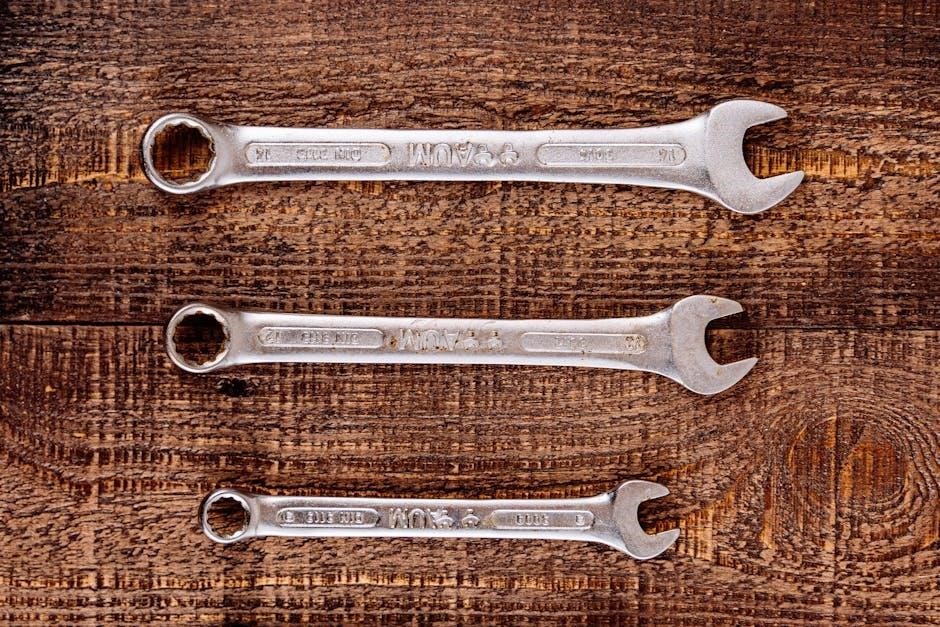
Be aware of hot surfaces, especially after engine operation. Handle fluids carefully, wearing gloves and eye protection. Dispose of waste materials responsibly, following local regulations. Consult the service manual for specific safety warnings related to each repair procedure.
Specific Safety Measures During Repair
Engine repairs demand caution; allow the engine to cool completely before disassembly. Hydraulic system work requires releasing pressure to avoid fluid injection injuries – verify proper function after repair. Transmission repairs necessitate supporting the tractor securely, as components are heavy.
Electrical repairs require careful attention to wiring diagrams; incorrect connections can cause shorts or fires. When addressing reception issues, ensure the radio is disconnected from the power source. Component replacement should utilize correct parts, avoiding substitutions.
Always refer to the manual for torque specifications and proper procedures. Double-check all connections before restoring power or operating the tractor. Maintain a clean workspace to prevent slips and falls.